From Values to Action: The Story Behind AIESEC’s New LEAD.
23 people from 15+ countries, rebuilding the spaces where AIESEC members practise their values.
A little about AIESEC
AIESEC is a global, youth-led organisation that has been helping young people discover and develop their leadership since 1948. Run entirely by young people, it is present in more than 100 countries and territories. Through volunteering, internships and the experience of leading teams, members learn about the world and about themselves. At the centre of it all are six values that shape how we work and lead, and those values are what this story is about.
AIESEC had just refreshed its Leadership Development Model (LDM), and the idea at its heart was beautifully simple: value-driven leaders take value-driven actions. LEAD is where that idea comes to life, in the sessions, coaching chats and learning circles members experience every day.
The old LEAD had done a lot of good, but we all felt its gaps. Sessions were often too open to interpretation, mostly happened at conferences, and didn't always start from what members really needed. So instead of rewriting it behind closed doors, AIESEC invited the people who'd actually use LEAD to reshape it. I was lucky to be one of them.
The people on the screen
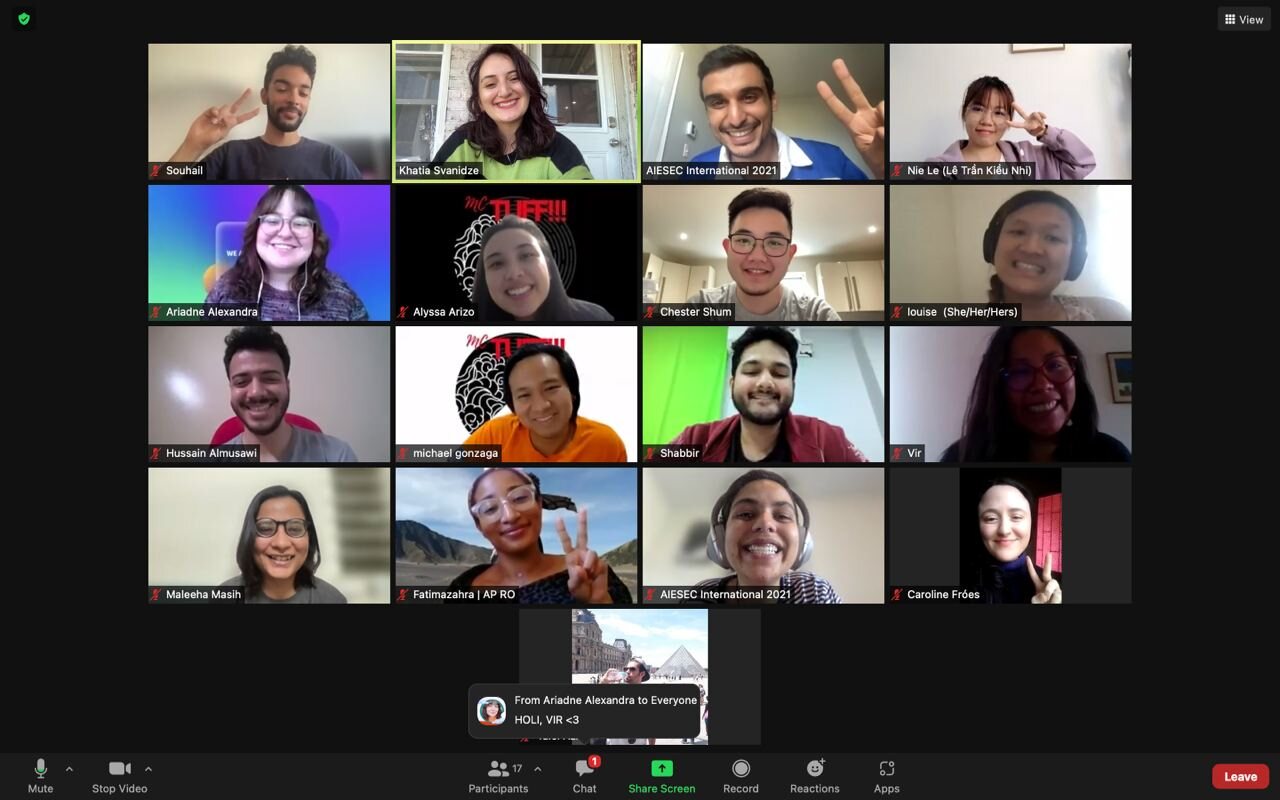
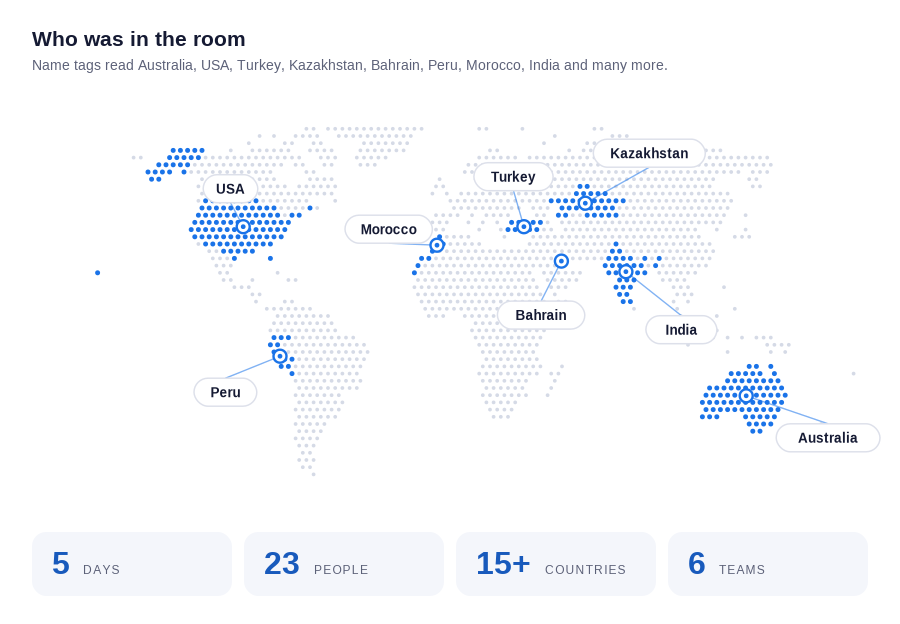
There were 23 of us, and the mix is what made it special. Our name tags read Australia, USA, Turkey, Kazakhstan, Bahrain, Peru, Morocco, India and many more places. Altogether we joined from 15+ countries, dialling in across time zones.
We didn't jump straight into building. First, we looked back at where the LDM and LEAD had come from, and what earlier generations had tried. It helped to know we were adding a chapter, not starting from scratch. We also agreed on a few ground rules for ourselves, like starting on time and actually taking our breaks.
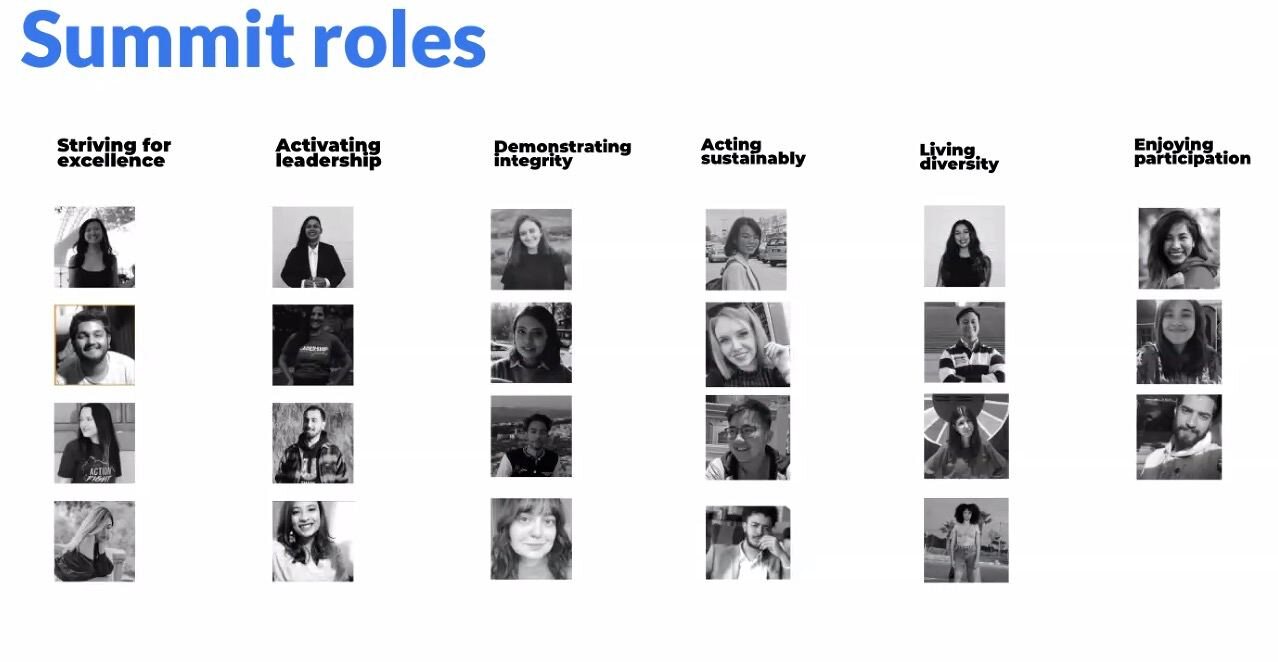
Then we split into six small teams, one for each AIESEC value. I joined the Activating Leadership team with Eva, Amira, Hussain and Batuhan. Each team looked after its value all the way through, from the first messy brainstorm to the finished session.
How we worked
We kept coming back to three big questions. What should a LEAD session actually teach? How can someone design, adapt and facilitate it with confidence? And where should it happen, so it reaches people in the spaces they already spend time in?
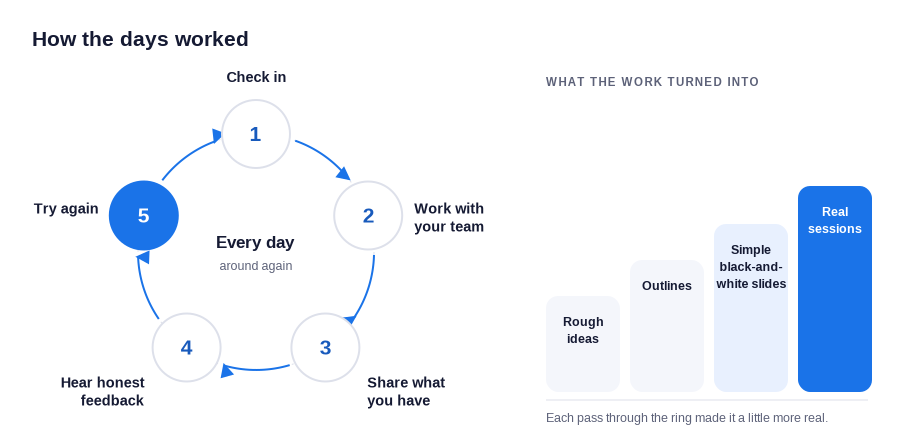
The days found a rhythm I grew to love: check in, work with your team, share what you have, hear honest feedback, try again. Rough ideas turned into outlines, outlines into simple black-and-white slides, and slowly those became real sessions.
This is what the LEAD environment looked like when we started:
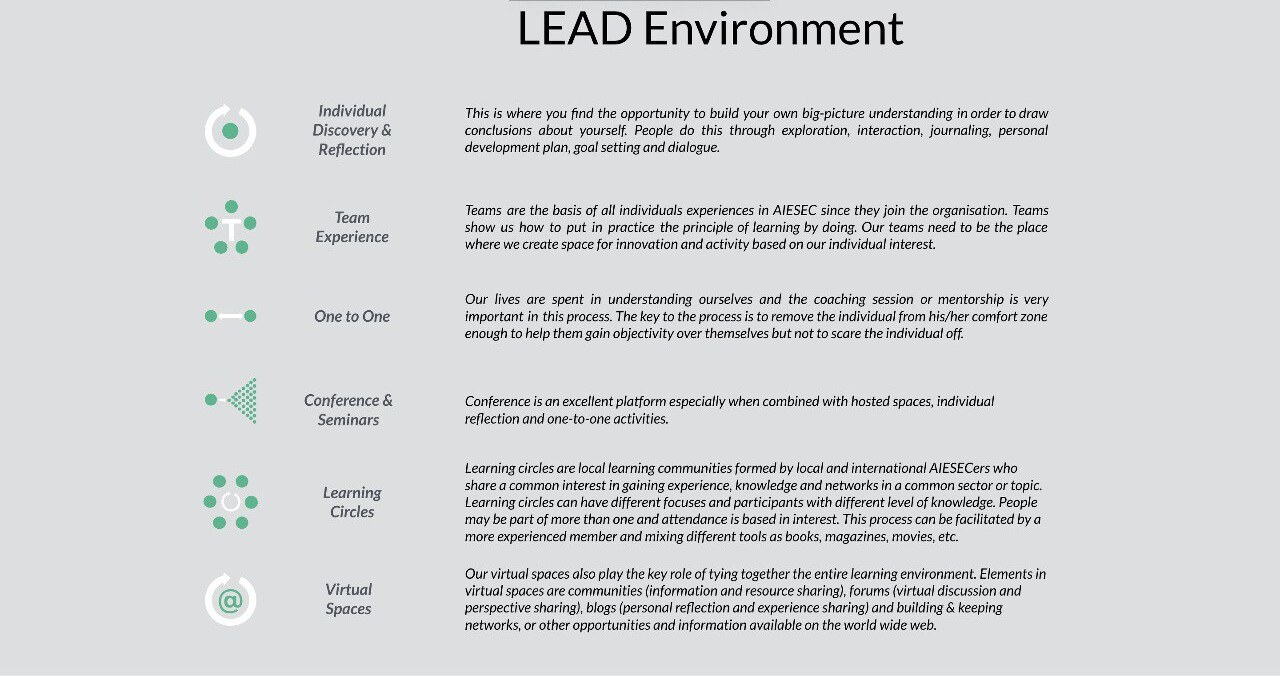
We kept what worked and gave it more room to breathe. Every principle now comes with a clear explanation, and every session is designed for a specific space, whether that's a one-to-one chat, a team meeting, a workshop or a learning circle. Facilitators are free to adapt a session to their reality, as long as they keep a few essentials. And since so much of our life had moved online, every space now has guidance for virtual, in-person and hybrid settings.
| What every session now has | What it means |
|---|---|
| A clear explanation | Every principle comes with one |
| A specific space | Each session is designed for a one-to-one chat, a team meeting, a workshop or a learning circle |
| Room to adapt | Facilitators can adapt a session to their reality, as long as they keep a few essentials |
| Every setting covered | Guidance for virtual, in-person and hybrid |
Bringing the values to life
One of my favourite exercises came early on. We each wrote down the words we'd use to describe someone who truly lives each value. I wrote things like ambitious and curious, honest and courageous, futuristic and responsible. Then we put everyone's words side by side and chose three for each value together. Seeing how differently, and how similarly, we all saw the same values was a lovely moment.
| Value | Traits we chose | Defining elements (one session each) |
|---|---|---|
| Striving for excellence | Humble, curious, ownership | Self-developing based on feedback; continuous learning |
| Activating leadership | Visionary, empowering, empathetic | Practising empathy; inspiring others |
| Demonstrating integrity | Ethical, transparent, accountable | Doing what is right; living authenticity |
| Acting sustainably | Prudent, responsible, realistic | Making long-term decisions; managing resources sustainably |
| Living diversity | Empathetic, open-minded, inclusive | Building inclusive spaces; capitalising on each other's differences |
| Enjoying participation | Proactive, adventurous, pride | Demonstrating enthusiasm; being proud of who we are |
For every session, we asked: what does someone need to know, and what questions will help them look at themselves? We wanted the questions to feel personal, like What type of empathy comes naturally to me? or What are my must-win battles?
We also thought hard about who each session is for and where it fits best. Building inclusive spaces became a workshop anyone can join. Doing what is right became a one-to-one conversation, open even to people outside AIESEC.
What we built, and my part in it
My heart project was the Inspiring Others session, which I led with Batuhan. It's all about how we can inspire people through our own stories, using storytelling, public speaking and coaching. I recorded the facilitator video and designed the slides, and I also designed the slides for Demonstrating Enthusiasm.
We didn't want to hand anything over untested. Batuhan and I ran a test call with a local president, and across all the sessions, more than 30 members from around the network tried them out and told us what worked. Their feedback shaped every final version.
Everything we made now lives on the LDM hub, ready for anyone in the network to use. There are 12 sessions, each with slides, an outline and a short video to help facilitators make it their own. Alongside them sit a LEAD booklet, a guide to the skills facilitators need, and a friendly introduction to the LDM.